Site study
Incident scenarios, well types, transport constraints and response procedures.
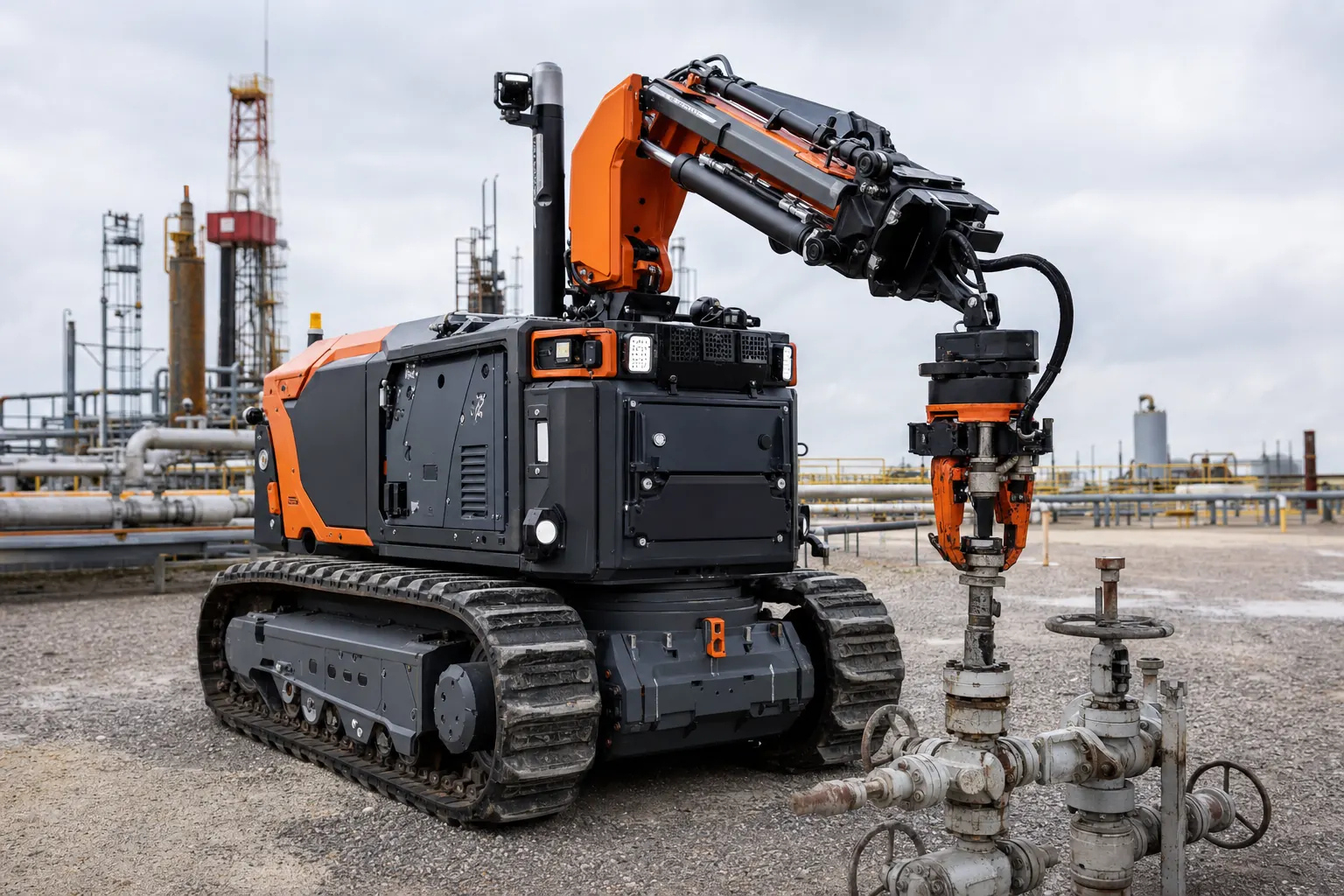
Remote operations in extreme environments
We engineer mobile systems for oil and gas well fire response, equipment cooling and hazardous operations without placing personnel near the incident.
MISSION / 01
A well blowout combines extreme heat, blast risk, toxic atmosphere and damaged infrastructure. A robotic system can perform reconnaissance, deliver extinguishing agents, cool structures and operate wellhead equipment remotely.
CATALOG / 02
From compact reconnaissance to heavy wellhead machinery. Every configuration is tailored to the well, climate, terrain and emergency scenario.
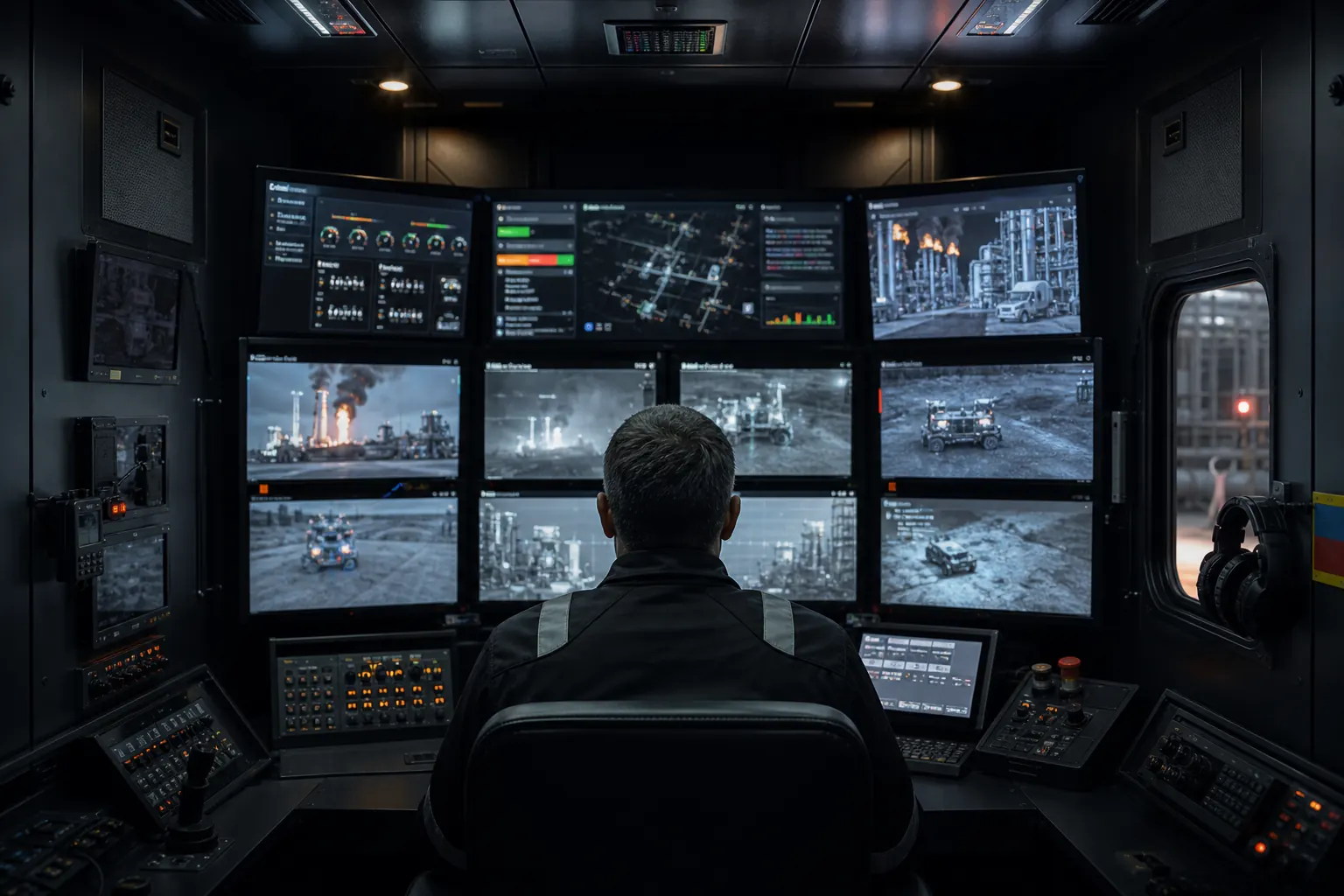 01
01Remote operator console for video monitoring, telemetry and safe control of WR-40 field operations.
Learn more ?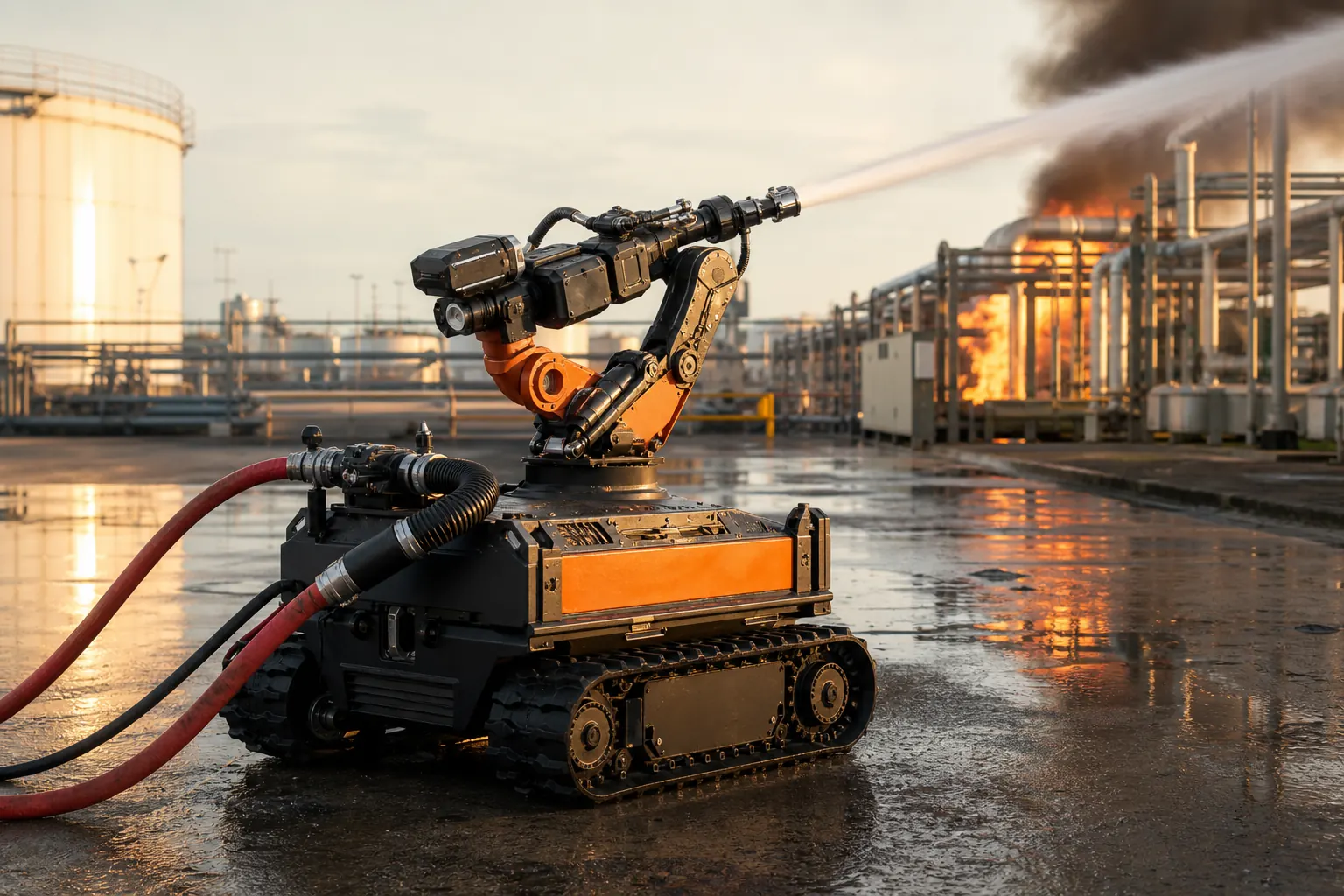 02
02Remote water, foam and cooling curtain delivery.
Learn more ?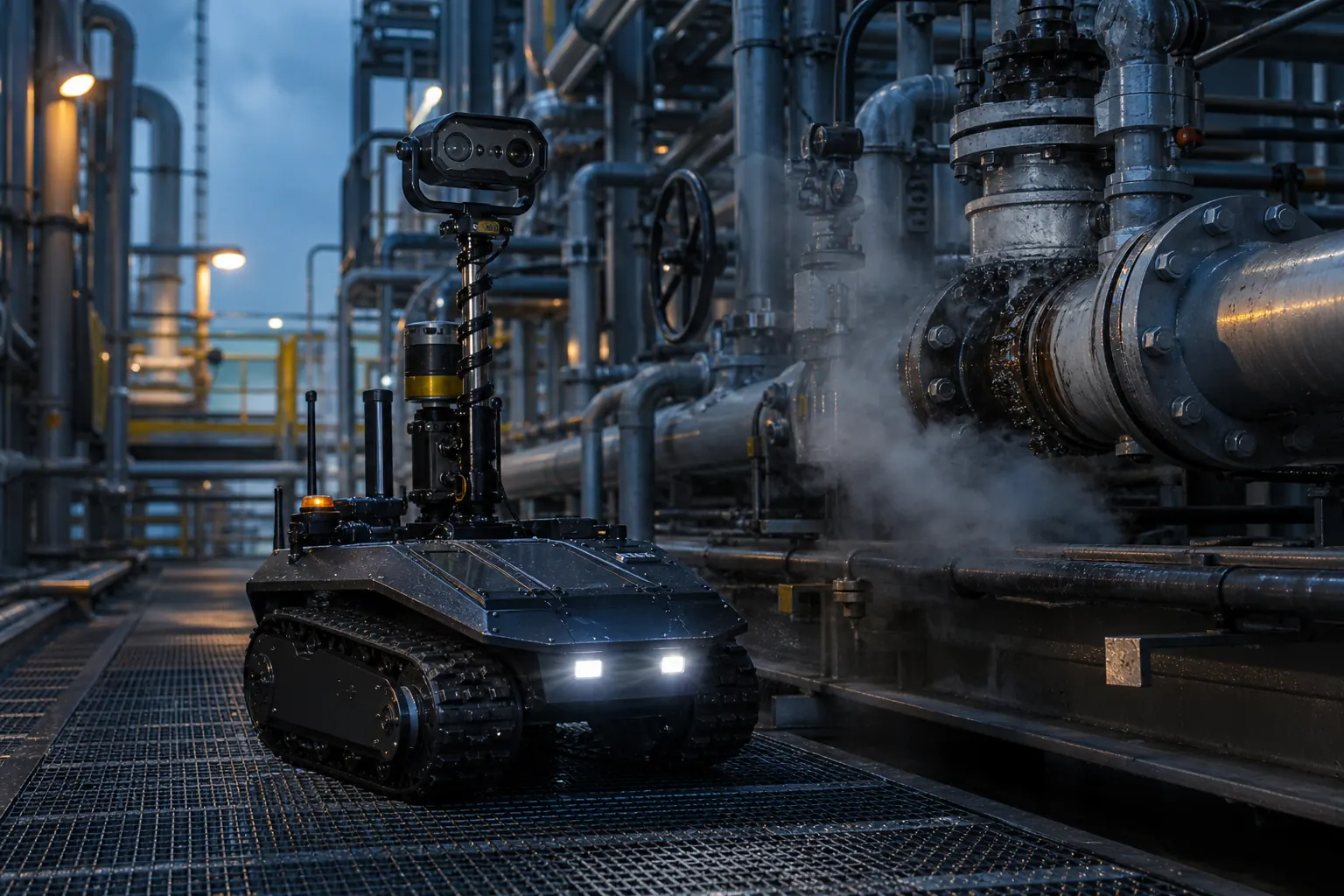 03
03Video, thermal monitoring and leak detection.
Learn more ?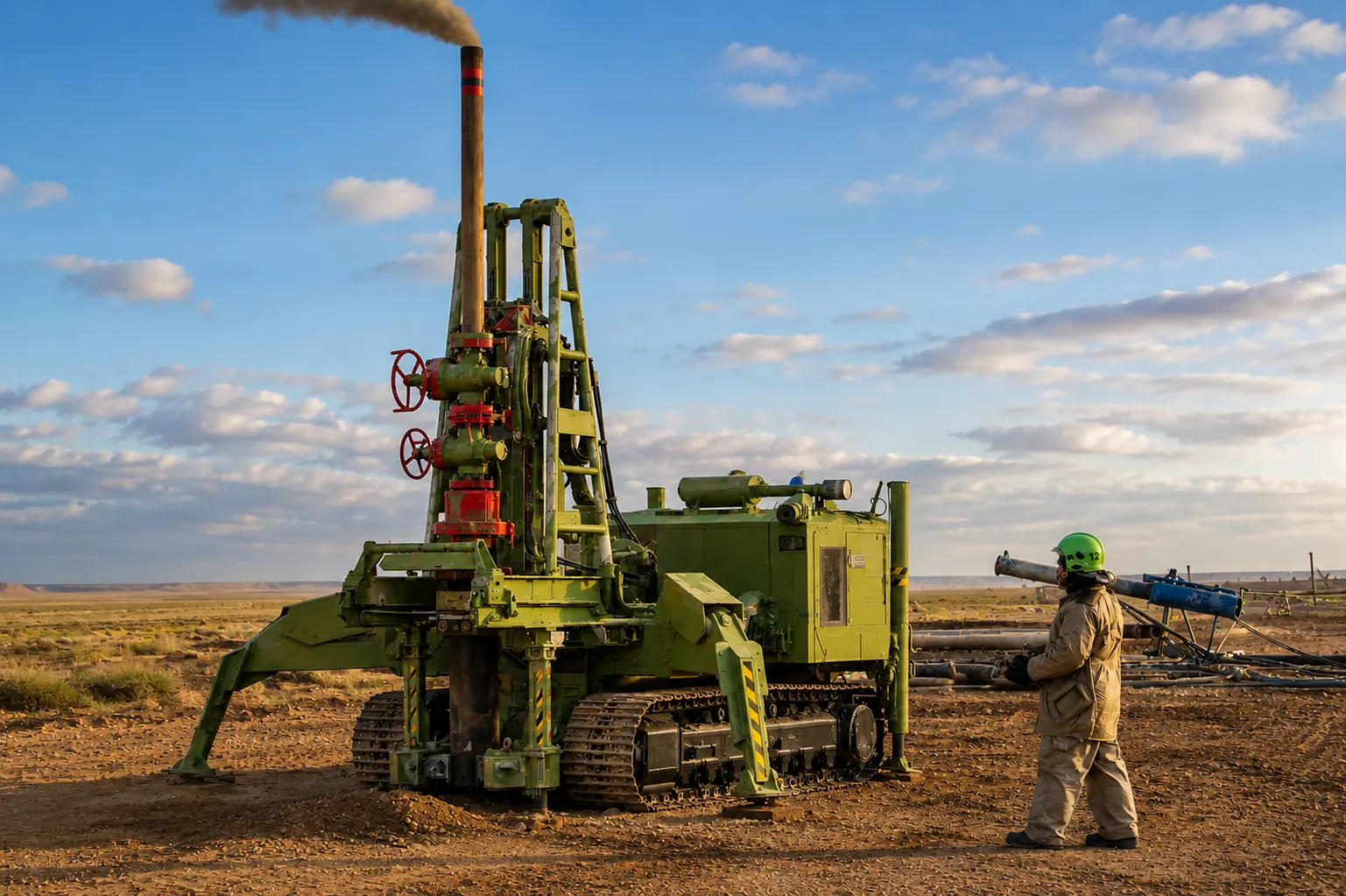 04
04Heavy mobile platform for wellhead operations, stabilization and field deployment on remote sites.
Learn more ?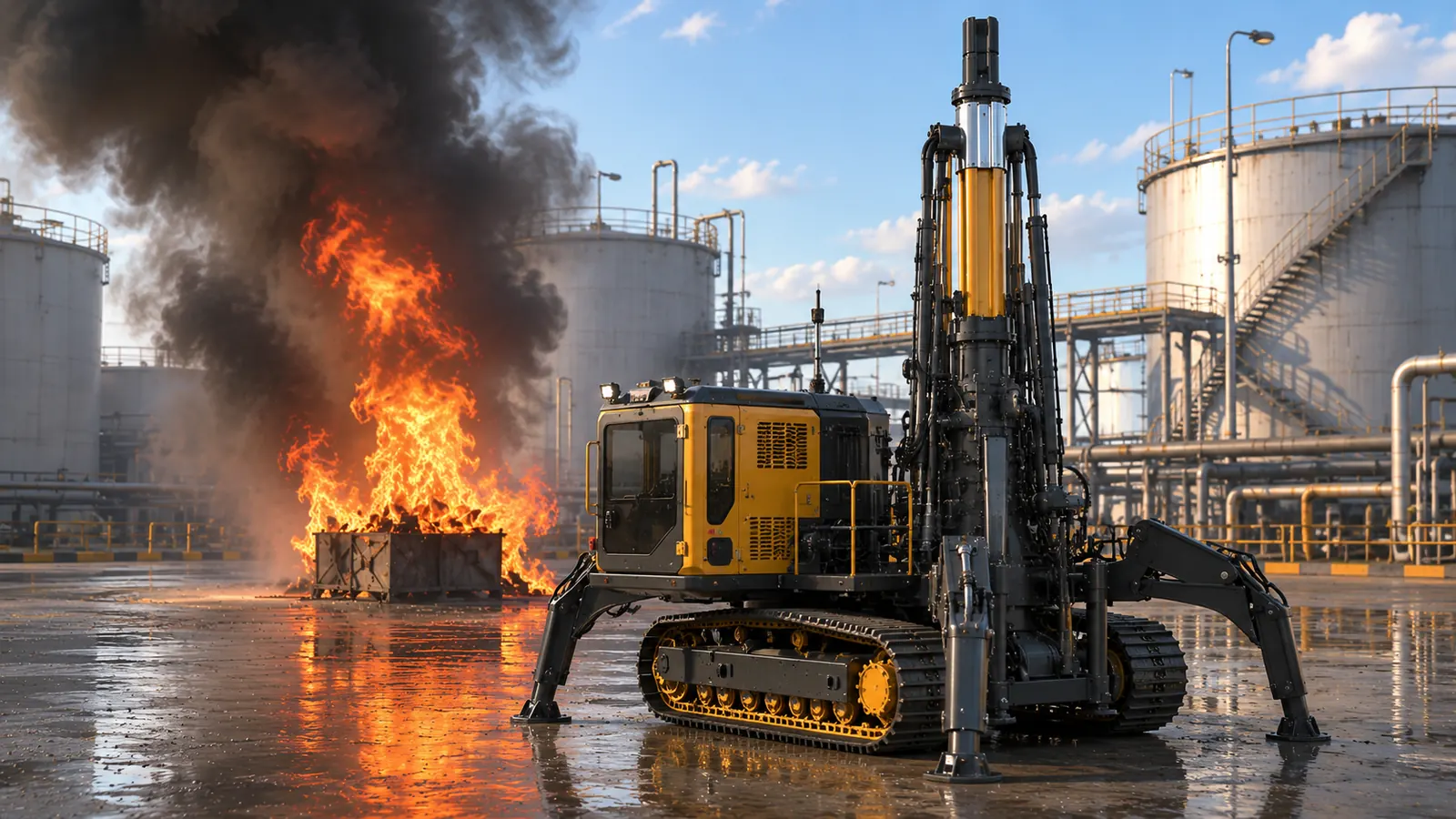 05
05Tracked heavy-class system for controlled approach, positioning and work near high-risk installations.
Learn more ?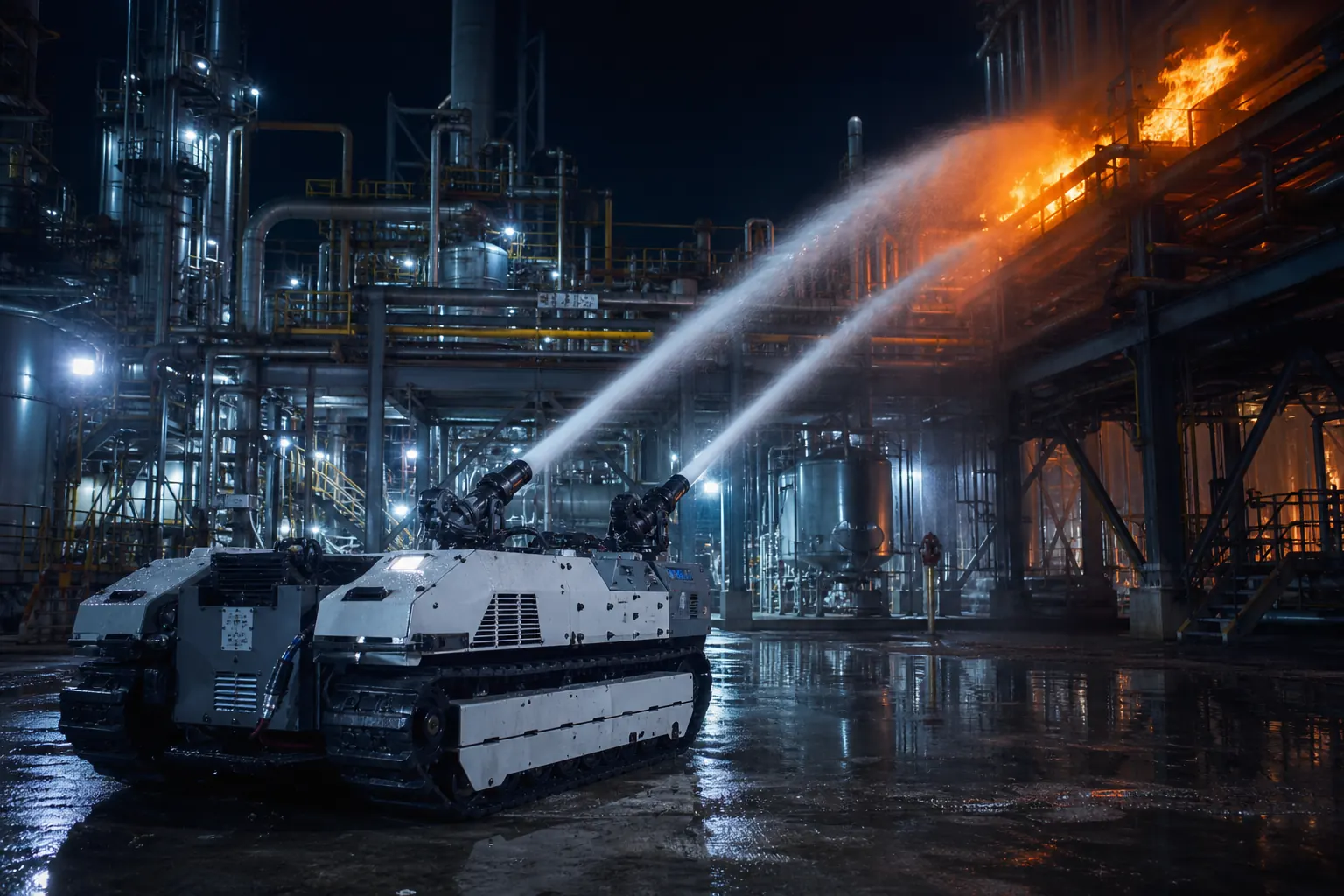 06
06Night-operation monitor platform for refinery structures, pipe racks and high-heat industrial fire zones.
Learn more ?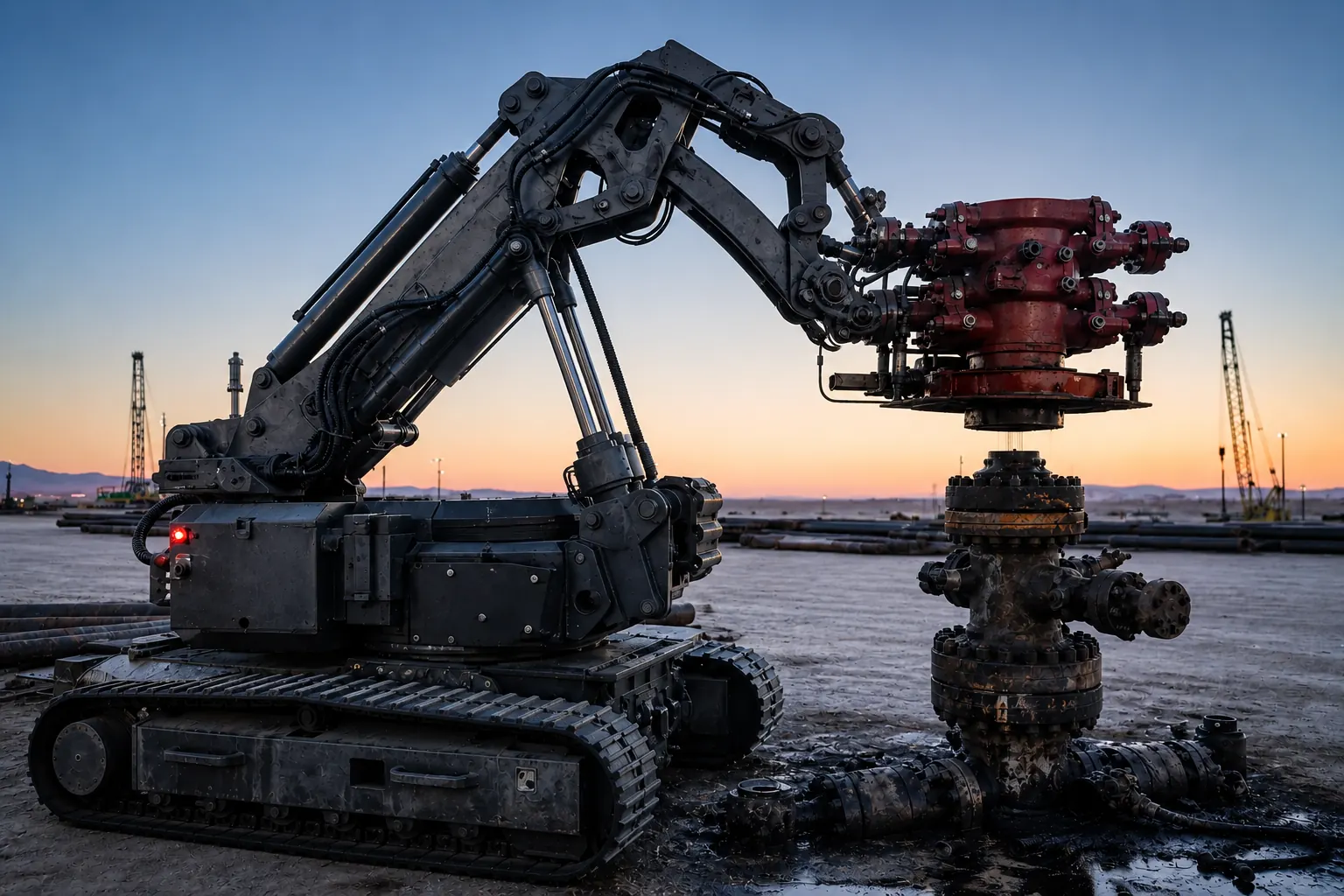
TECHNOLOGY / 03
PRODUCTION / 04
We build an operational tool for emergency teams rather than a standalone vehicle. The engineering cycle covers mechanics, hydraulics, electronics, software and operator training.
Incident scenarios, well types, transport constraints and response procedures.
Stability, thermal protection, hydraulics, tooling kinematics and communications.
Frame, mechanisms, power unit, control cabinets and operator station.
Traction, stability, control range, agent flow and heat-load performance.
Acceptance, crew training, documentation and response-plan integration.
Engineering consultation